


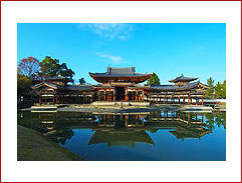

(from Wikipedia)
This temple was originally built in 998 in the Heian period as a rural villa of Fujiwara no Michinaga, one of the most powerful members of the Fujiwara clan.
This villa was changed to a Buddhist temple by Fujiwara no Yorimichi in 1052.
The most famous building in the temple is the Phoenix Hall (鳳凰堂 Hoo-do) or the Amida Hall, constructed in 1053.
It is the only remaining original building, surrounded by a scenic pond; additional buildings making up the compound were burnt down during a civil war in 1336.


(from Wikipedia)
Daigo-ji (醍醐寺 Daigo-ji) is a Shingon Buddhist temple in Fushimi-ku, Kyoto, Japan.
Its main devotion (honzon) is Yakushi.
Daigo, literally "ghee," is used figuratively to mean "creme de la creme" and is a metaphor of the most profound part of Buddhist thoughts.
More than seven centuries after its founding, Toyotomi Hideyoshi held a famous cherry-blossom-viewing party in 1598 at the Sambo-in sub-temple.
The bright colors of maple leaves attract tourists and others in the Autumn season.
Emperor Suzaku's mausoleum, known as Daigo no misasagi, is located near Daigo-ji.
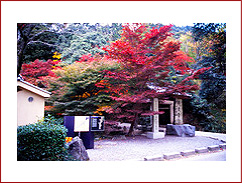

Uji-river area is well known by cherry blossom (spring) or fallleaf (autumn).
Many tourist go and relax themselves.
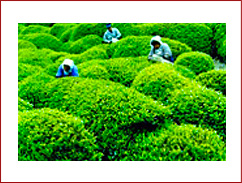
Uji is well known as a major producion area of Japanse gree tea.
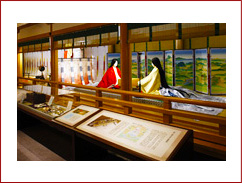

Uji is also well known as one of stages of The Tale of Genji.
